
Body Language Basics
Relaxed
- Ears up
- Eyes half opened or closed
- Tail limp with possible slow twitch of the tip
- Sleeping
- Belly to the side or facing up
- Purring
- Making biscuits
- May be grooming or stretching
- Seeks high ground and soft spaces
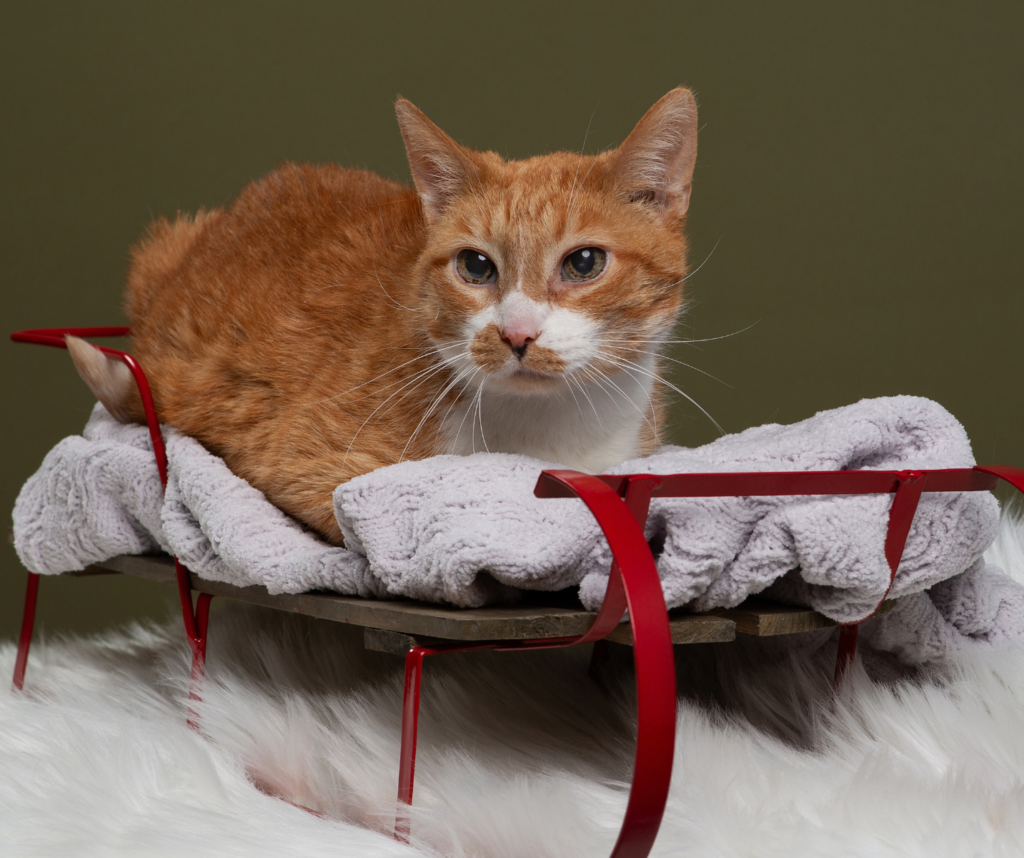
Overstimulated
- Ears slightly bent back
- Eyes wide and dilated
- Tail point straight up with fur sticking out
- Body tense and in pounce mode
- Vocalizing with meows, growls, and hissing
- Attacks anything that moves, is “randomly aggressive,” bites
- Shows signs of anxiety such as pacing, chewing on things, overeating, over grooming, and zoomies
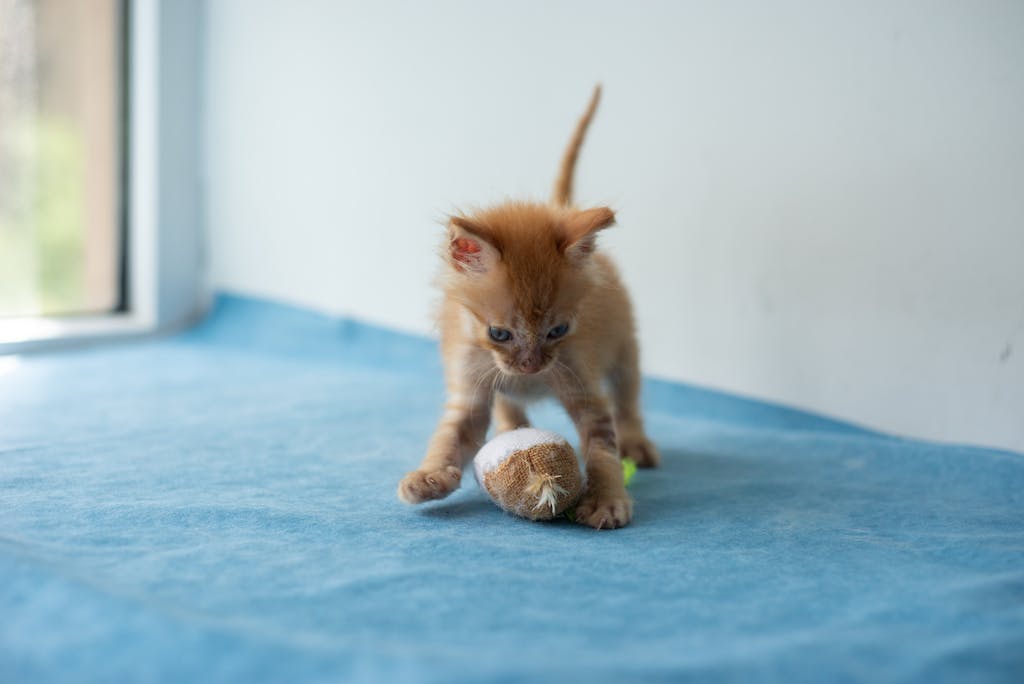
Confident
- Ears perked
- Eyes opened wide
- Tail pointed straight up, tip gently swaying
- Shoulders back and head up
- Vocalizing with chirps, meows, or purring
- Headbutting and active exploring
- Seeks high ground
- Returns for pets and check ins
- Scratches while standing
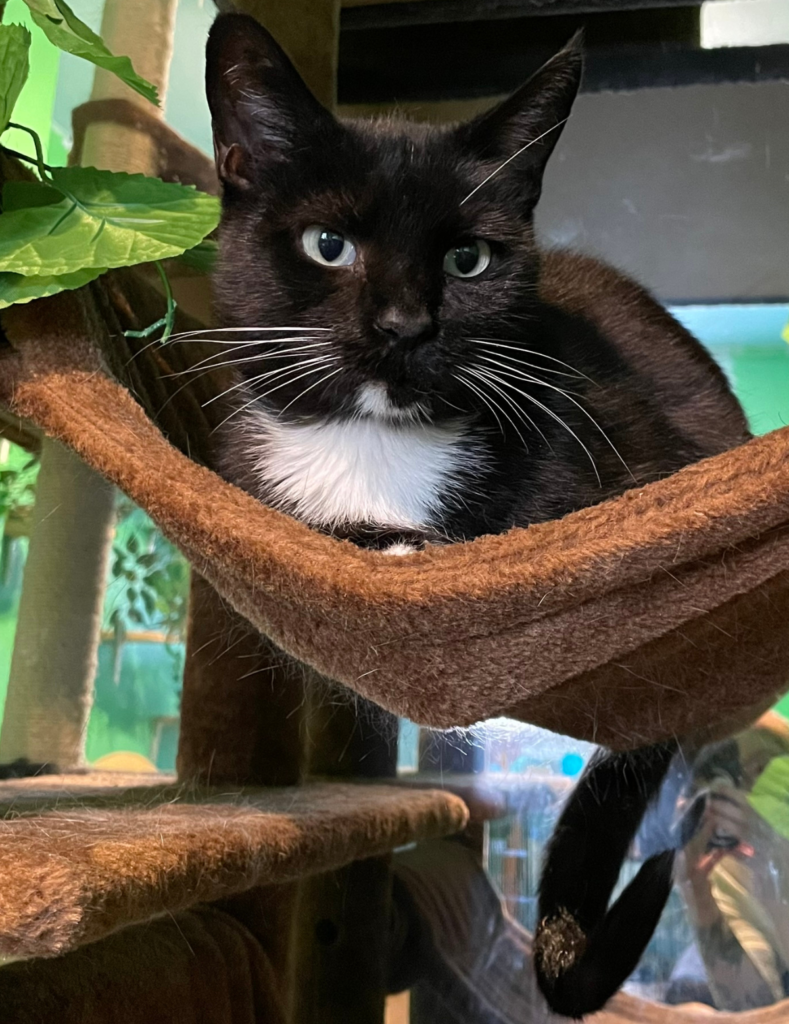
Nervous/Scared
- Ears folded against the head
- Eyes dilated and half closed
- Tail tucked closed to the body and fluffed with “n” shaped posture
- Vocalizing with growls, hisses, yowling and deep throated meows
- Seeks escape route or low covered corner
- Attacks anything that comes close

Angry
- Ears perked or folded against the head
- Eyes wide and dilated
- Tail low and thrashing
- Vocalizing with growls, hisses, yowling and deep throated meows
- Full body fluff up and “n” shaped posture
- Attacks anything that comes close
- Will start with scratching but escalate to biting and bunny kicks to maximize damage
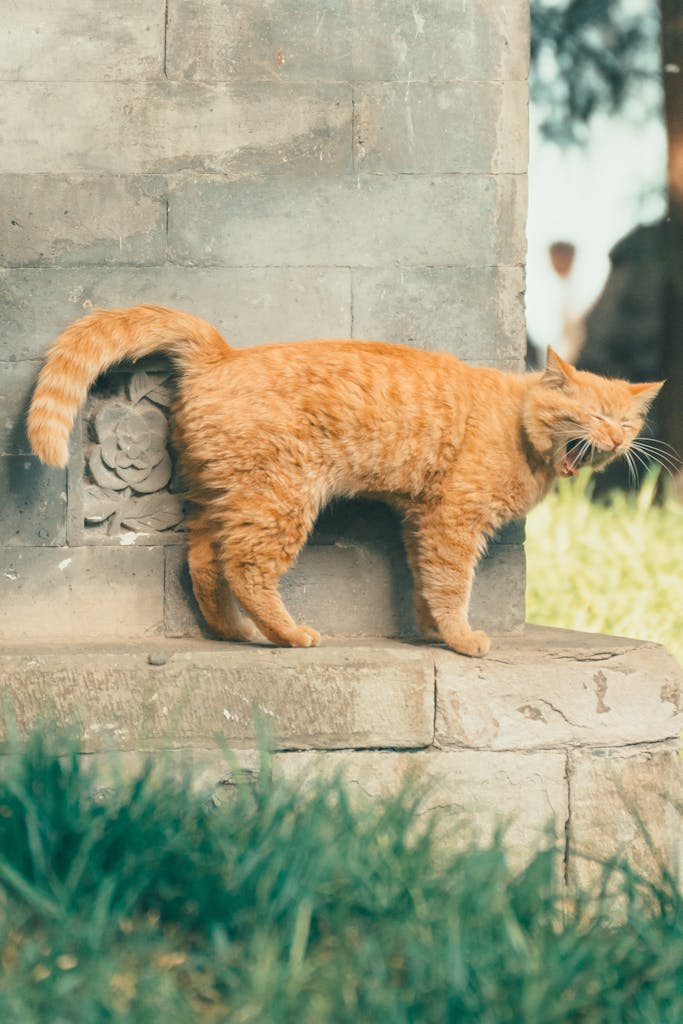
Understimulated
- Ears slightly bent back
- Eyes wide and dilated
- Tail point straight up with fur sticking out, flitting back and forth
- Body tense but stretched out
- Vocalizing with meows, growls, and hissing
- Attacks anything that moves, is “randomly aggressive,” bites
- Shows signs of anxiety such as pacing, chewing on things, overeating, over grooming, and zoomies
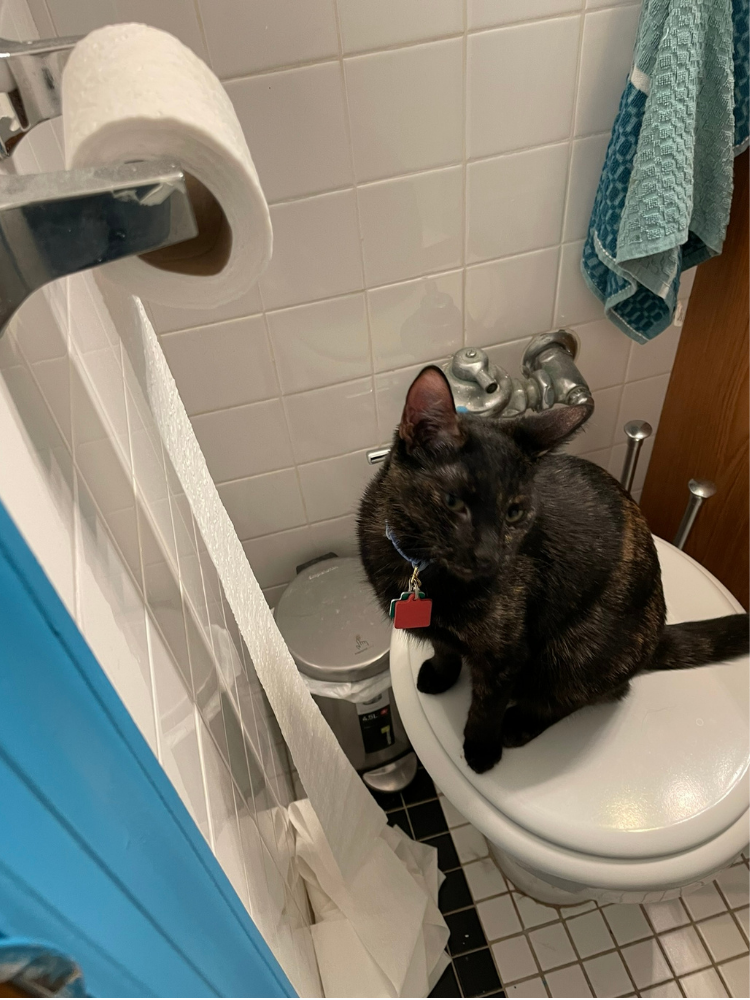
Boundary Testing
While there are basics to any introduction of a cat in a new environment, and especially to other cats, there are some misunderstandings about what behavior is normal and what is signifying of needing to take a step back or intervene. When a cat enters a new environment or meets another creature, they will act much like children do and test the boundaries. What can they get away with? What happens if I do this? And just like children, they will test these boundaries and reactions over and over again to see if it is consistent. This is especially important for kittens and teenagers as it helps them develop an understanding of the world and how they interact with it. In cases of Single Kitten Syndrome or abuse cases, the cat grew up with inconsistencies in these tests and reactions so their behavior seems erratic and unpredictable; this is never the case.
There are four main stages of Boundary Testing, each of which has multiple reactions that can give hints to how the cat is feeling in that situation and what their next step will be.
The Sniff
- The cat will smell the air, usually with their mouth slightly open
- The cat will sniff the items in the environment with their nose. Usually booping it with their nose.
- The nose boop between two cats is a sign of greeting, their way of saying “hello.”
- If the nose boop goes well, the cats will sniff each others butts (yes, like dogs).
- Sniffing may lead to grooming or can cause overstimulation and lead to a tussle. If this happens, intervene with a toy or separate the cats until they settle.
Body Language
- Ears up, eyes half opened, tail limp with possible slow twitch of the tip. Slow blinking. Cat is relaxed and feels comfortable
- Lip licking, whole tail twitching, fur poofed. Cat is nervous and any further introductions should be done slowly.
- *See confident cat body language.* Confident Cat will lead the interaction and type of relationship. Keep watch to make sure they don’t become a bully
- *See scared cat body language.* Cat is afraid and the introduction should go back a step and at a slower pace.
Vocalization
- Cat is purring or chirping/meowing, shows signs of confidence and relaxation
- Growling may occur but if paired with relaxed body language let the interaction continue. The cat is setting a boundary and is waiting to see what the reaction will be. If paired with nervous or scared body language attempt to play or feed the cats to help build positive association
- Hissing may occur but if paired with nervous body language let it play out.
- Separate the cats if the behavior starts to shift towards anger
No Physical Contact
- Outside of the Nose Boops, grooming and snuggling are good signs.
- Lack of physical contact but sharing space is called co-existence and is also a good sign. The cats may not be friends but they don’t see the other as a threat either.
- The “bop” is a classic boundary tester. This is when the cat hits something from overhead with their paw (claws sheathed) to see what happens. This is often seen in play and should be seen as a positive.
- The reaction of the other cat is key to determining whether to move forward or take a step back.
Limited Physical Contact
- Charging is when the cat lunges at something but stops just shy of it. Body language can range anywhere from nervous to assertive to anger; it can even be seen in overstimulated cats. This is another classic boundary tester with the other cat’s reaction being key to whether to continue the interaction or separate them.
- A Tussle is when the cats basically have a mock fight. There is often a lot of vocalizing and charging, sometimes with chasing and cornering. Fur may go flying and this is a point where the cats should be separated. Oftentimes tussles stop on their own but are a sign that there is a power differential and something needs to change
Fight
- This is every cat owners worst nightmare. This is a cat that after every boundary was ignored and their body language reflecting either anger or fear, they will attempt to kill whatever touches them.
- Claws will be out and bunny kicking will filet anything the cat grabs a hold of. There will be yowling and hissing with fur being ripped out and extremities bitten and maimed.
- DO NOT STEP BETWEEN FIGHTING CATS. The best thing to do is drop a box or blanket over them to cut off their line of sight and separate them from each other.
- Cat bites are extremely infectious and you should thoroughly clean or seek medical attention if the bite breaks skin.
- Cat scratch frenzy is when a cat scratches you so many times that it triggers an autoimmune response (fever, inflammation, rash, etc). Seek medical help immediately.
Decompression
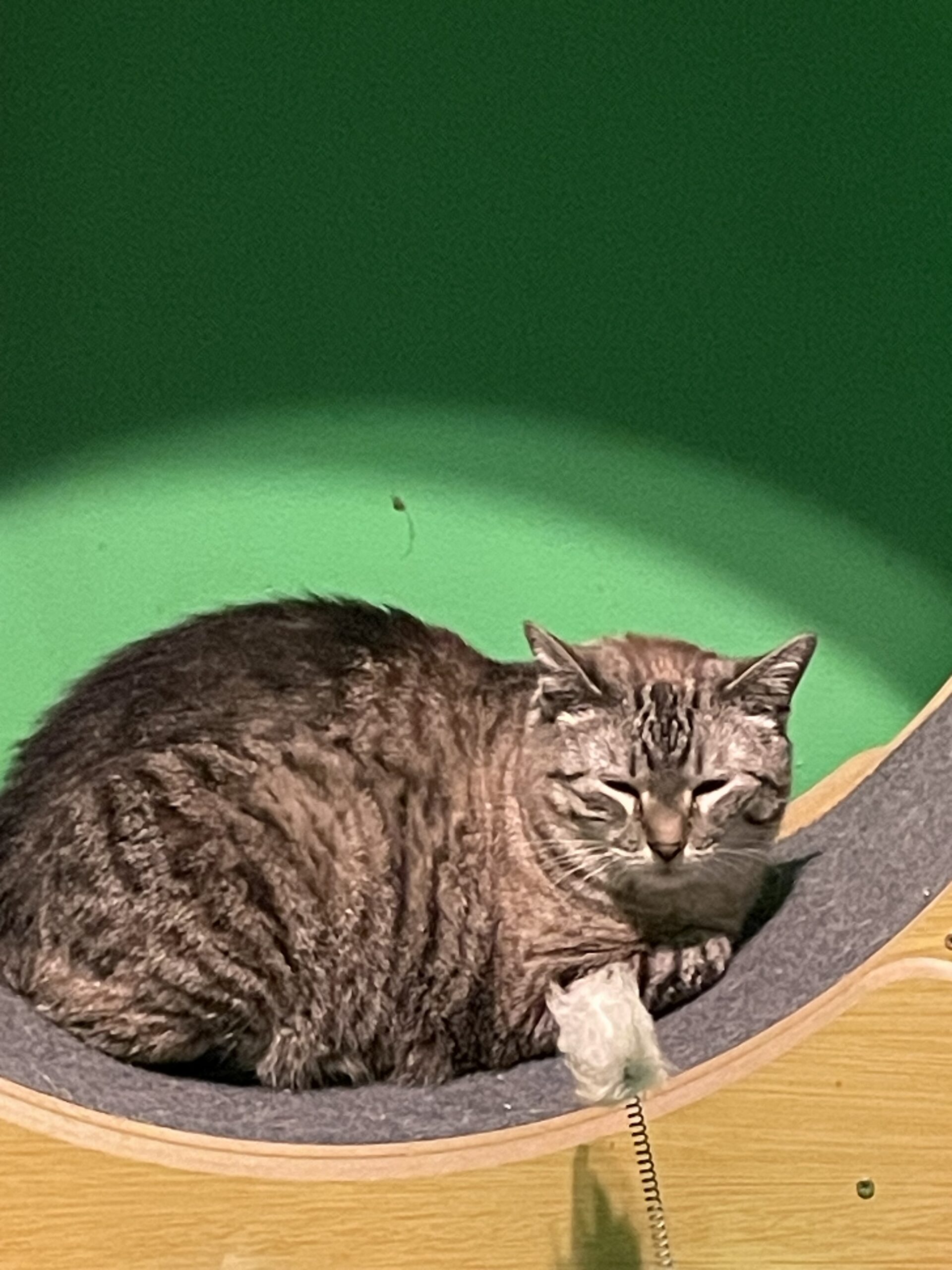
After any kind of interaction, the cats need to be separated to decompress. Especially early on in the introductions or if the cats begin to show fear, anger, and/or limited physical contact.
Decompression is when a cat returns to a relaxed state. Much like when humans require “alone time,” this usually involves a quiet, comfortable space where they can feel safe. It is important to leave the cat alone while they decompress, letting their nervous system move from fight/flight to rest and confidence. Grooming and sleeping are signs of complete decompression.
Especially after charging, tussling, or fighting, providing space for the cat to decompress is crucial to continuing successful introductions and allowing the cats to coexist in the home.
This is also important for cats who are overstimulated, as any efforts to play or “calm” them through touch actually just adds to their energized state and will make the situation worse. I always recommend having a designated decompression spot or room in the home. As the cat ages and recognizes the signs, they will often seek out this decompression spot on their own and self regulate accordingly.