
Cats In the Wild
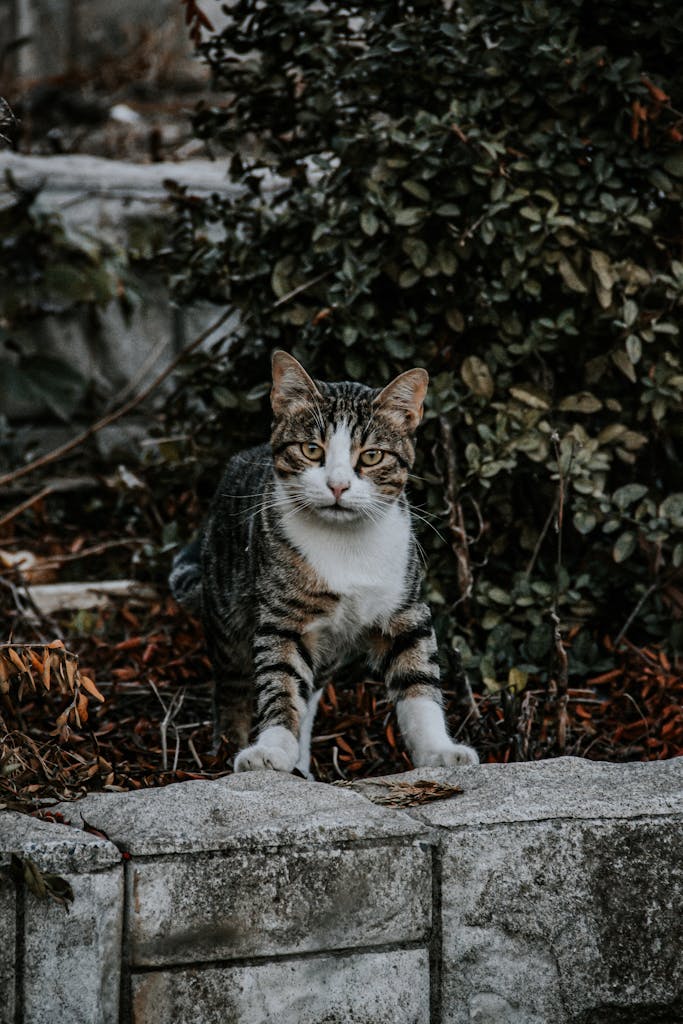
While cats may be domesticated, that doesn’t mean they have lost what makes them animals. Cats still exist outdoors, and while human cultures vary on how these outdoor cats are treated and interacted with, the way they function remains the same. For the purposes of the following information, all “cats” referred to on this page will be in reference to feral cats: individuals who live outdoors with minimal to no human interaction.
Cats are matriarchic. This means the female cats are the boss. One female cat gets pregnant, has a litter of kittens, raises the litter until puberty, the male cats leave the group, and the cycle of breeding and raising kittens repeats with all remaining female cats who live together in a group (colony); guarding territory and hunting, while males roam between the colonies to continue the breeding. I will go into depth on each of these parts of the life cycle so you can better understand how it all works together to make a functional system.
Female Cat Getting Pregnant
Life always starts with the birds and the bees, or in this case, when the birds and the bees begin to migrate or emerge from hibernation because the weather has hit that nice warm spot. Unlike other mammals who mate during certain seasons, female cats ovulate once the weather hits 50*F. Whether that happens in December or April, for one day or for weeks, once the weather is warm enough, female cats are in heat and out on the prowl. In addition to temperature, age is an often misunderstood part of this equation. Female cats can get pregnant as young as FOUR MONTHS OLD! There is no “waiting until they are grown” because once they hit that age, it is open season. And with gestation being only a few months, followed by four months of care, we are talking about hundreds of cats born year round. This is why anyone who cares about cats gets them fixed asap.
During ovulation (heat) female cats will cry, rub on anything they can, and will roam along the edges of their territory to see what males have answered their calls. Now, again, the female is in charge and gets to pick which male she wishes to mate with. This usually occurs when all the males who are answering her call battle it out, winner gets to mate with her. Cats can also mate multiple times, resulting in kittens with various fathers. Female cats can also deny a male cat from mating with her, usually through quite a vicious fight. The male may attempt again but the female will typically banish him from her territory, especially if it is one of her previous sons. This helps maintain genetic diversity.
Kittenhood
Once the female cat is impregnated, she has about two months before the kittens are born. She will still hunt and defend territory until the kittens are born. Once the kittens are born, there are a couple things that can happen:
- Mama cat stays close to the nest and cares for the kittens diligently. This includes feeding, bathing, stimulating them to go to the bathroom, and making sure they stay safe. As the kittens age, mama cat will allow them to venture from the nest and teach them how to get food and take care of themselves. She often controls when this happens by keeping the kittens whiskers short (chewing them off) to force them to stay within the nest until mama cat deems it safe.
- Mama cat wants nothing to do with the kittens (they may be sick, mama cat may not be able to care for them, etc.) and they become prey for other animals. This often happens with mama cats that are young (those 4-9 month ages) but there are many factors that go into these situations and they do not make the mama cat heartless or a bad mom. They are doing what they must to survive.
- Mama cat co-parents with her fellow colony cats. This is often seen when multiple cats in the colony have litters of kittens. One mama cat will give her kittens to another mama cat so she can go hunt or take a break. The mama cat being put in charge of baby-sitting duties will care for the kittens like they are her own, this includes letting them drink her milk and play with her kittens. Oftentimes multiple female cats in the group will do this for each other and trade off. It allows each of the mama cats to hunt for themselves and receive support in raising their kittens, especially when litters are larger than normal (6+ kittens).
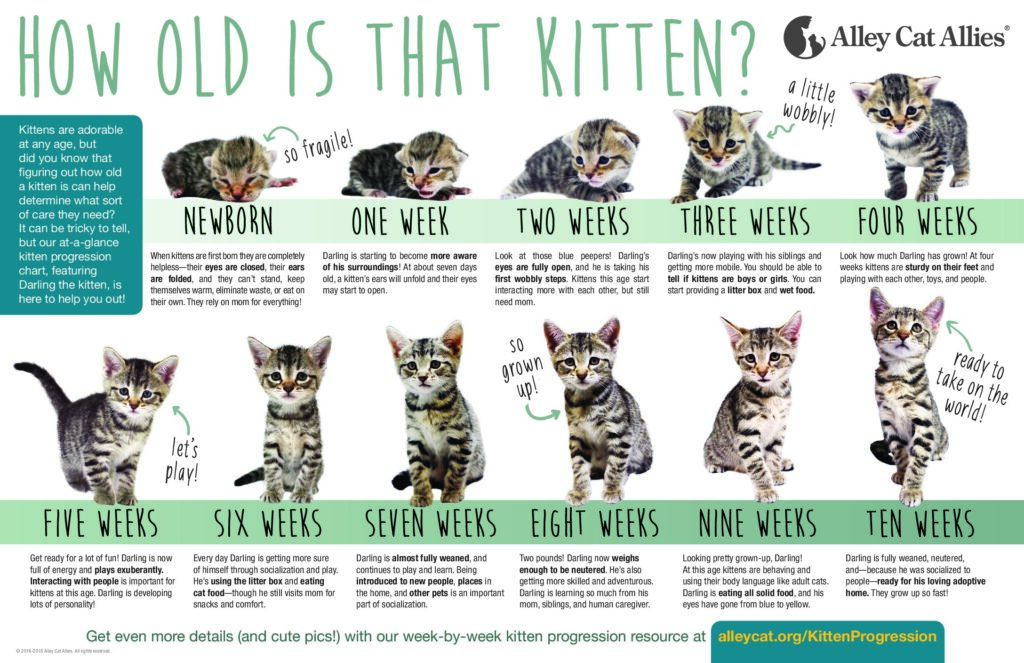
It is around the eight to ten week mark when male kittens will be pushed out of the colony to begin fending for themselves, while the female kittens will begin going into heat and having litters of their own. During kittenhood, kittens have an energy level that is insanely high. “Kitten Energy” is always worse than people imagine it to be. We are talking bursts of energy every few hours that includes running, climbing, wrestling, play hunting, rolling around and repeating this for literal hours on end. This high energy level allows kittens to build social skills, hunting skills, proper muscle formation, and the superior acrobatic skills cats are known for. This is a critical period of time where a cat learns how to be a cat from other cats.
While biology and evolution dictate these ages and cycles as part of their life span, it doesn’t mean it is easy. Cats are both prey and predator, so they not only must hunt in order to survive, they must avoid being hunted themselves. Canines, other cats (and large felines), large birds, snakes, and other large predators (wolverines, opossums, caiman, etc.-varied by region) all pose threats to fully grown cats and even more so for kittens. In addition, kittens are at a massive risk for various types of parasites, diseases, disabling trauma, starvation, and death due to temperatures being too high or too low. If a kitten is separated from other cats they may develop something called “Single Kitten Syndrome.” This syndrome encapsulates a multitude of behavioral issues, including social anxiety, separation anxiety, aggression, inappropriate peeing, environmental destruction, and self harm. Traumatic experiences can also severely alter the way a cat behaves and interacts with their environment and other animals in it.
Raptor Phase
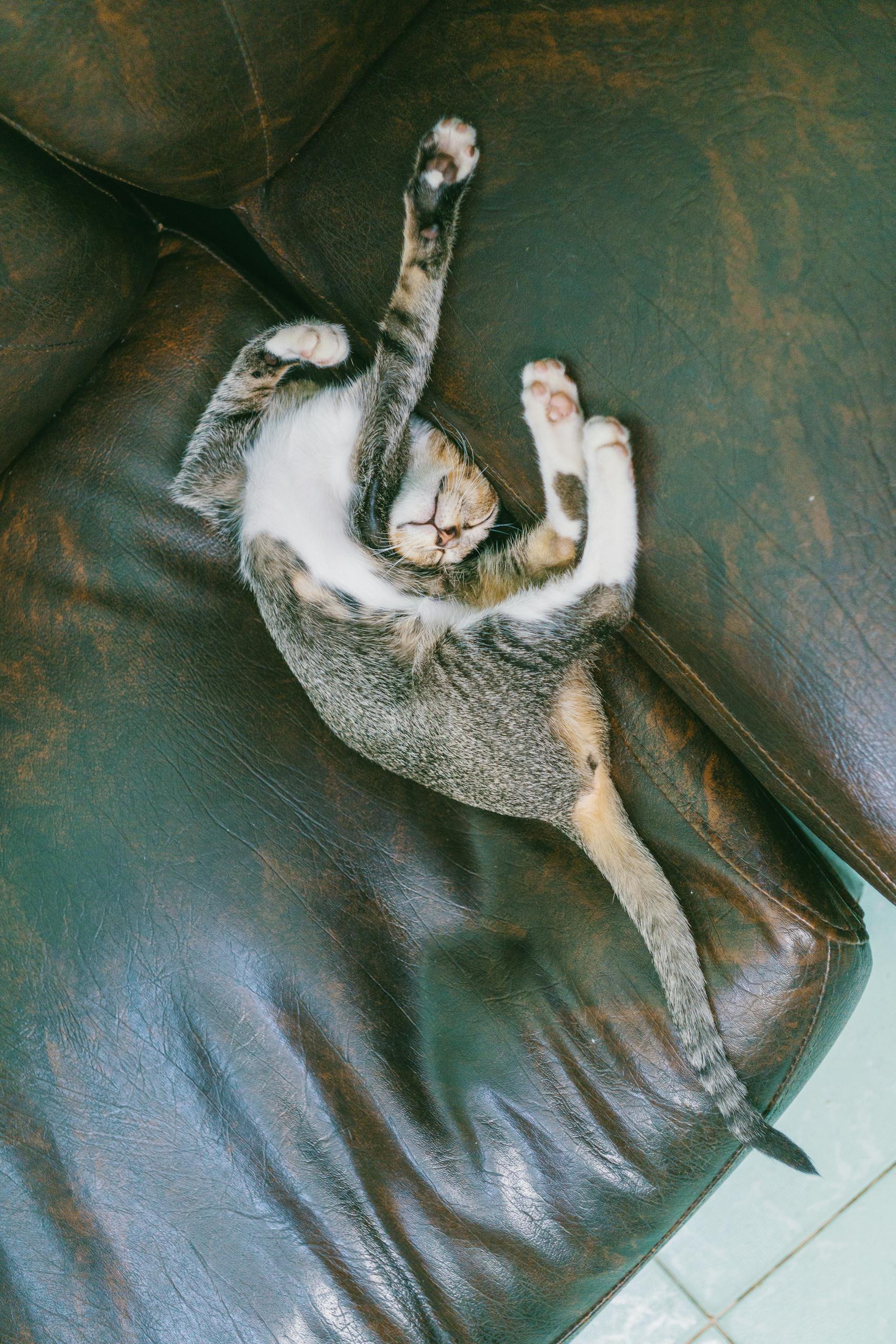
Assuming a cat survives kittenhood, around the age of 6 months, they are classified as teenagers. Raptor phase, as I call it, lasts from around the 6 month mark up until the cat is about 3 or 4 years old. This period of time marks massive growth and personality change for the cat. It also tends to include high energy, not quite as intense as kitten energy, but still pretty intense and often destructive as they continue to learn the boundaries of their body and environment. For males, this energy is often expended through hunting and fighting with other males for territory, marking their territory by peeing on literally everything, and impregnating as many females as he can. For females, the energy is expended hunting, caring for kittens in the colony (their own or another cats), and fighting off male cats they don’t want to mate with. They require long periods of intense exercise and constant stimulation to further their physical and mental development. While cats are usually considered adults by the time they turn a year old, their hormones and energy levels continue to fluctuate for the next several years. This is often why cats may behave one way at a young age and then change their behavior later on, just as human teenagers do. And just like human teenagers, cats in the raptor phase don’t always make the best decisions or think things through, and this is where cats find themselves in multiple fights, trapped in a tree, or otherwise in a bad spot that can be fatal. The fluctuation of hormones and growth will alter their energy and dietary needs multiple times a year until they are around 3-4 years old, assuming they survive.
Adulthood
Around the age of 3-4, cats hormonally settle into adulthood. They tend to be more relaxed and settled into their routines, having less energy, and this is when they tend to start remaining closer to the colony and scavenging for food rather than hunting. They maintain these balanced hormone and energy levels for many years. While around the age of 7 they tend to start needing thyroid and immune support, often resourced through eating local plant life; things like thyme, mint, pumpkin, carrot stems, and various types of root vegetables can provide invaluable support for cat systems. While cats are carnivores (meat eaters) like many other carnivores they find nutrient supplementation through vegetables, berries, and various other types of plant life. This age group makes up a large majority of the cats in a colony and is often what keeps the colony stable through the generations. Males will have several established mates and will hold the line on how strong another male must be to take over their territory. This pushes for the fittest young males to have the highest reproductive rates and the strongest kittens.
Senioritis
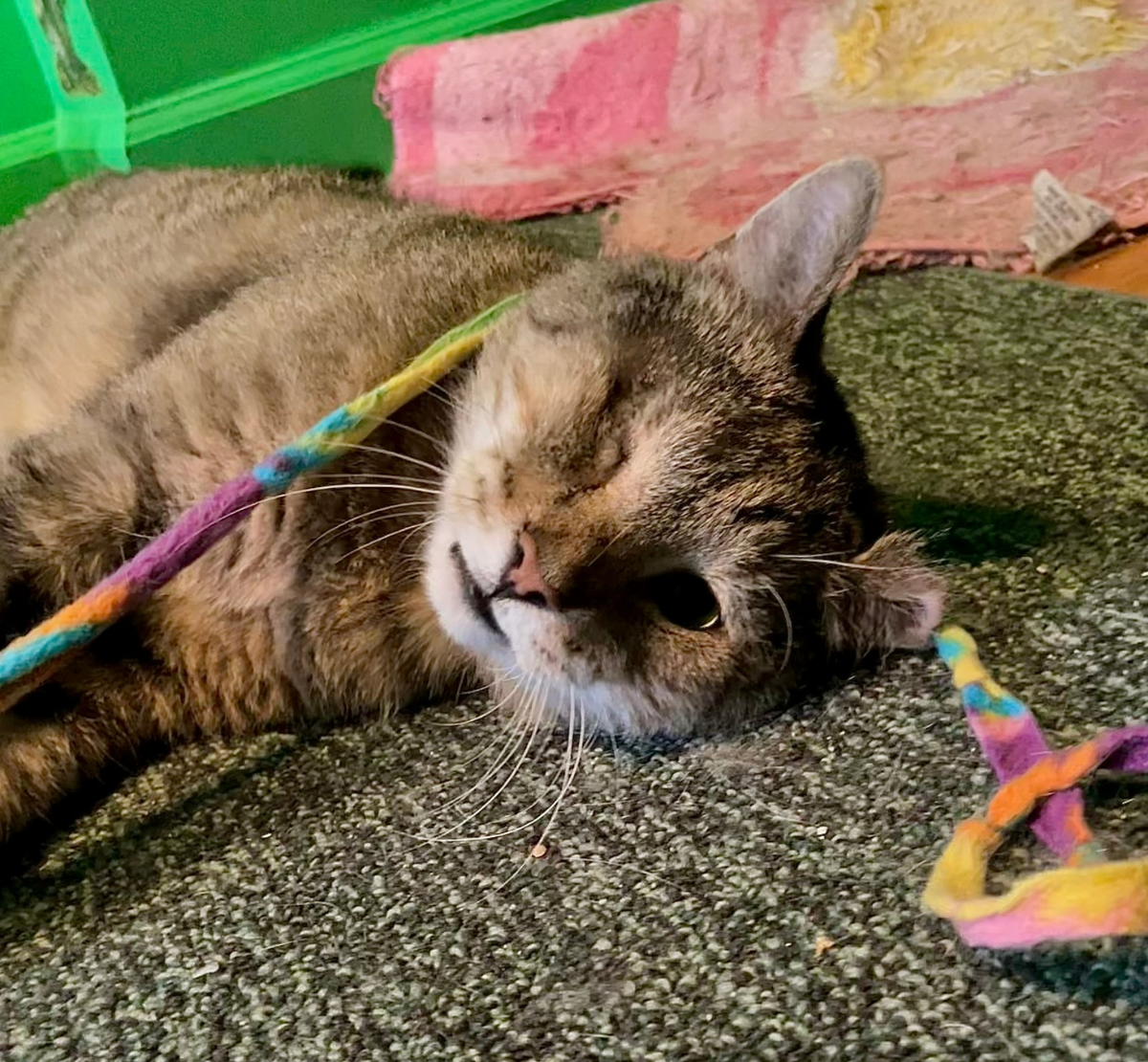
As cats approach the age of ten and up, they tend to be considered seniors. Senior cats are labeled this way because it tends to be the average life span for a cat. Obviously many factors play into this: exposure to disease, environmental risks, diet, previous trauma or disability complications, and genetic/breed predispositions. When provided a low risk environment, many cats can live to be fifteen to twenty years, or longer. The current record is 38 years (and she is still alive)! Senior cats often develop similar things to humans: cataracts, arthritis, IBS, deafness, and memory issues. Also like humans, senior cats tend to die from kidney problems, heart attacks, or cancer. While many feral cats tend to pass before reaching this age, the feral seniors in the area will often lose their right (or their life) to territory and mating disputes with younger cats. These cats are often scarred and disfigured from previous fights and only survive through human intervention.
Cats and Domestication
All in all, the way cats have evolved within their own species from every aspect makes them unique individuals with a wide variety of needs. As social creatures, they require other cats in order to learn and grow correctly, or risk developing serious issues. And while I wish we lived in a world where all cats could be safe indoors in a loving home, the reality is that that is not possible, nor is it something every cat wants.
As cats became domesticated and started living with humans, there was a fracturing of the social system cats had always relied on. Some cats prefer to live alone, others require large groups. Some cats absolutely avoid humans out of fear and experience great distress upon interactions with them (feral cats), while others simply prefer the benefits of humans (food, shelter, vaccines) but not the domestic part (snuggles and kibble); I refer to these as “social ferals.” Other cats are desperate for human care but are then raised as human children and develop serious behavior issues, while others are totally fine.
While the dynamics of a group and of a species fall within a basic main frame (as explained above) every cat is unique and requires unique attention. What may work for one cat may not work for others, and just because they are indoors doesn’t mean they won’t behave like they are outdoors. I work to understand what the root cause of the behavior is and build a plan that utilizes those natural instincts and responses in order to adjust their behavior to what makes them and their human happiest. But remember, it always comes down to the biology and life experiences.